Common mistakes homeowners make when hiring Yiewsley gardeners
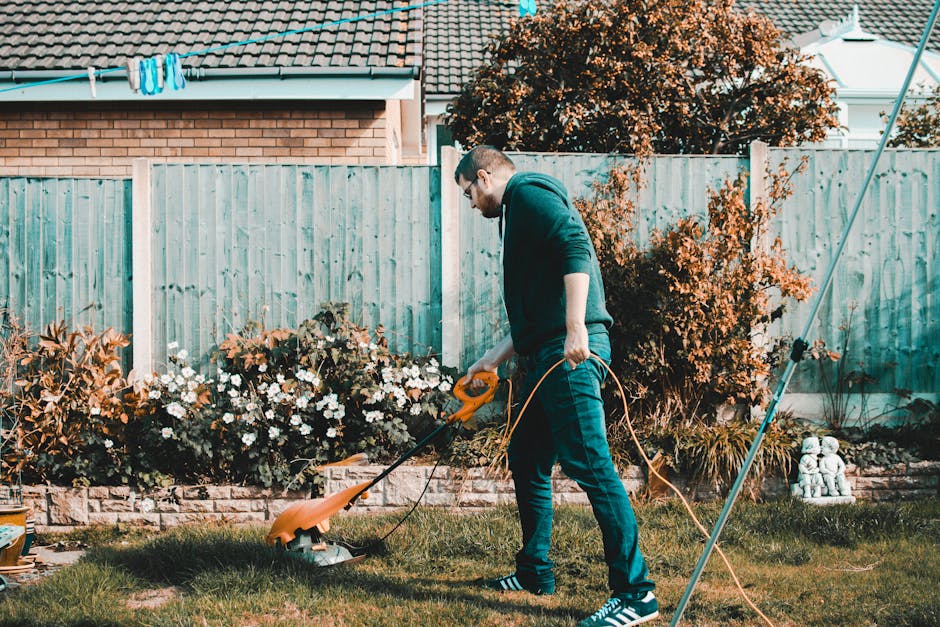
Hiring a gardener sounds simple enough. A quick call, a few photos, maybe a tidy quote, and the lawn is finally under control. But in real life, the process is where many homeowners trip up. The most common mistakes homeowners make when hiring Yiewsley gardeners usually come down to rushing, assuming too much, or not asking the right questions early on.
That can lead to patchy work, unexpected costs, missed appointments, and in some cases garden damage that takes longer to fix than the original job. If you want reliable results, a better outdoor space, and a smoother experience from start to finish, it helps to understand what goes wrong before you book anyone. This guide breaks down the practical pitfalls, what to do instead, and how to judge whether a gardener is the right fit for your home in Yiewsley.
We will also cover what good service looks like, where homeowners often misunderstand pricing or scope, and how to avoid awkward surprises once work has already started. Let's face it, nobody wants to be standing at the back door on a damp Tuesday morning wondering why the hedge looks only half-finished.
Why Common mistakes homeowners make when hiring Yiewsley gardeners Matters
Garden work looks straightforward until it isn't. A tidy lawn, a hedge cut back neatly, or a full clearance job can all seem like simple tasks, but each one comes with different skill levels, equipment needs, safety issues, and time pressures. The wrong hire can turn a routine job into a repeat visit, a dispute, or a mess that needs sorting again.
For homeowners in Yiewsley, the stakes are often practical rather than dramatic. You may need regular garden maintenance, a one-off garden clearance, hedge trimming before a boundary issue becomes awkward, or larger landscaping work after a renovation. If the gardener doesn't understand the scope, doesn't communicate clearly, or doesn't give a proper quote, the result is usually friction. And yes, that friction tends to show up in the wallet first.
There is also the trust side of it. People are letting someone into a private home, often while they are at work or dealing with family life. That means reliability matters just as much as technical skill. A neat cut is no good if the person never turns up. A quick job is no good if the waste is left scattered across the drive.
Good hiring decisions matter because they protect three things at once:
- your time
- your budget
- your garden's long-term health
It is also worth remembering that garden care is not one-size-fits-all. A lawn mowing appointment is not the same as tree lopping and removal. A bit of light pruning is not the same as a full landscaping project. Homeowners often make mistakes by treating all outdoor work as interchangeable, which it really isn't.
How Common mistakes homeowners make when hiring Yiewsley gardeners Works
The hiring process should be simple, but only when it is handled in the right order. A good gardener will usually start by understanding the job, the garden, and the outcome you want. From there, they should explain what is included, what is not, and any limits that might affect price or timing.
In practice, the process often looks like this:
- You describe the work needed, ideally with photos or a clear walkthrough.
- The gardener assesses the scope, either remotely or in person.
- You receive a quote or estimate that explains labour, disposal, access, and timing.
- Both sides agree on what will be done, when, and how payment works.
- The work is carried out, checked, and completed with any waste removed or left as agreed.
The mistakes happen when one of those steps is skipped. Homeowners sometimes book on price alone, or they assume the gardener knows exactly what they mean by "just tidy it up a bit." That phrase, to be fair, can mean five different things depending on who is listening.
Sometimes the issue is expectation. A homeowner expects weekly maintenance, while the gardener quoted for a one-off visit. Or the homeowner imagines a full hedge reduction, while the gardener assumed a light trim. Those misunderstandings are common, and they usually come from poor communication rather than bad intent.
A better process also includes checking practical details. For example, will access be through a side gate or front driveway? Is there room to store cuttings? Are there fragile plants, irrigation lines, or decking areas that need care? If you are arranging work that includes hard landscaping or outdoor structures, a page like landscaping support or decking services may also be relevant to the overall plan.
Key Benefits and Practical Advantages
Getting the hiring process right does more than avoid hassle. It tends to produce visibly better results, and the difference is usually obvious within the first visit. The grass sits evenly. The borders look deliberate rather than hacked back. The work finishes when expected. Small things, but they add up.
Some of the strongest practical advantages include:
- Cleaner results: The right gardener will use suitable methods, not just the fastest ones.
- Better value: Clear scope means fewer misunderstandings and fewer surprise extras.
- Less repeat work: A good cut or clearance lasts longer and needs fewer corrections.
- Safer working: Proper handling of tools, ladders, hedging equipment, and waste reduces risk.
- Healthier planting: Skilled maintenance protects shrubs, lawns, and trees rather than stressing them.
There is also a softer benefit people do not mention enough: peace of mind. If you have ever had a gardener leave halfway through a job because the quote was vague, you will know how draining that can be. A clear, professional approach takes the mental load off you. You do not need to supervise every corner of the garden like a hawk.
For larger projects, the benefit is even more pronounced. If the job involves overgrown areas, waste removal, or boundary reshaping, services such as garden clearance and landscape gardening can save time and make the whole space more usable again.
Who This Is For and When It Makes Sense
This guide is for homeowners who want a garden that is looked after properly, not just cut quickly. It is especially useful if you are hiring someone for the first time, switching from a previous gardener, or dealing with a job that feels a little bigger than routine maintenance.
You will probably find this helpful if you are:
- a busy homeowner who needs regular help keeping the garden under control
- preparing a property for sale, letting, or seasonal use
- dealing with overgrowth after months of neglect
- managing hedge trimming, lawn care, or tree work that needs a careful hand
- planning improvements and want the garden to look coherent rather than piecemeal
It also makes sense if you have had one bad experience already. That is often the moment people become much sharper about quotes, insurance, and communication. Which, honestly, is not being difficult. It is simply being sensible.
Homeowners with children, pets, shared boundaries, or valuable planting should be extra careful. If the work involves higher-risk tasks such as tree reduction or removal, it is worth checking whether the job sits better with a specialist service like tree lopping and removal rather than general maintenance.
Step-by-Step Guidance
If you want to avoid the most common mistakes, use a process rather than going on instinct alone. A steady approach beats a rushed one, every time.
1. Define the job properly
Start with the outcome, not just the task. Instead of saying "tidy the garden," think about what that means in practical terms. Do you want the lawn cut, edges defined, beds weeded, hedges reduced, waste taken away, or all of the above?
The clearer you are, the easier it is to compare quotes and avoid confusion later.
2. Decide whether it is one-off or ongoing work
Some jobs suit a single visit. Others need scheduled care. A seasonal tidy-up is very different from a standing arrangement for garden maintenance or lawn mowing. If you blur that distinction, pricing and expectations can drift.
3. Ask what is included
Do not assume waste removal, hedge waste bagging, or final sweep-up is included. Ask directly. Also ask whether the gardener will bring tools, whether you need to provide anything, and whether access is required while you are home.
4. Compare more than price
Price matters, but it is only one factor. Compare scope, timing, communication, and whether the person explains what they are doing. A quote that is slightly higher may actually be better value if it includes disposal, clear finish standards, and proper insurance.
5. Put important points in writing
You do not need a legal essay. A short written summary is enough: what is being done, when, how payment works, and what happens if the weather changes. That simple habit prevents most awkward "I thought you meant..." moments.
6. Check the result before settling the invoice
Walk the garden with the gardener if possible. Look at edges, waste, access paths, and any agreed extras. A quick check while they are still there is much easier than revisiting the same issue two days later.
Expert Tips for Better Results
Experience teaches you that the best garden jobs usually come from good preparation, not last-minute heroics. Here are a few practical tips that make a genuine difference.
- Photograph the garden before you book. Wide shots help explain scale, while close-ups show overgrowth, borders, or damage.
- Be honest about access. Narrow gates, steep steps, locked sheds, and awkward corners all affect time and cost.
- Separate urgent work from nice-to-have work. A hedge threatening a neighbour's path is a different priority from decorative reshaping.
- Ask how waste will be handled. Green waste can take up more space than people expect, especially after clearance or pruning.
- Get clear on timing. Morning jobs, school-run windows, and weather delays matter more than people think.
One small observation from day-to-day home gardens: the jobs that go best are usually the ones where the homeowner says, "This is the result I need," rather than "Just do what you think." That extra minute of clarity can save an hour of back-and-forth. Not glamorous, but true.
If you care about presentation as well as practicality, it may be worth looking at whether the gardener can support related work such as hedge trimming or more structured services overview planning. The aim is to avoid a garden that looks half-finished from one angle and overworked from another.
Common Mistakes to Avoid
Here is the heart of it. These are the errors that show up again and again when homeowners hire gardeners without enough preparation.
1. Choosing only on the cheapest quote
The lowest price can be tempting, especially when the garden is already overgrown and you just want it sorted. But the cheapest quote may exclude waste removal, use the wrong scope, or reflect a rushed finish. Cheap is fine if it is transparent. Cheap and vague is where trouble starts.
2. Not explaining the job clearly
"Tidy up" sounds simple. It usually is not. A hedge trim, border weed, and lawn cut can each vary in scope depending on how the gardener interprets the phrase. Say exactly what you want done, and if it matters, say what you do not want touched.
3. Ignoring insurance and safety
Even garden work can involve risks. Slips, sharp tools, ladders, trees, heavy waste, and nearby property all need care. If the job is more involved, check the gardener's insurance and safety position. It is not being picky. It is being sensible.
4. Forgetting about waste removal
Garden waste piles up quickly. A clearance job can look tidy halfway through and suddenly feel chaotic again once the cuttings are stacked. Always confirm whether waste is included, and where it will go. If not, you may be left with a neat garden and a not-so-neat pile by the fence.
5. Not asking about scheduling and reliability
Some homeowners assume the appointment will happen exactly as discussed, then discover the gardener is juggling too many jobs. Ask about arrival windows, weather flexibility, and communication if plans change. Reliability is part of the service, not an extra.
6. Treating specialist work like routine maintenance
Tree removal, major reshaping, or structural garden changes are not the same as mowing or weeding. If your project is more involved, the wrong generalist can make mistakes that are expensive to reverse. Use the right service for the right job.
7. Overlooking payment terms
Payment timing, deposits, and accepted methods should be clear before work starts. That sounds obvious, but many disagreements begin because somebody expected payment at the end and the other side expected partial payment up front.
8. Forgetting the follow-up plan
What happens after the first visit? If the garden needs ongoing care, ask about a maintenance pattern. If it was a one-off, consider whether a follow-up trim or seasonal visit makes sense. A lot of gardens deteriorate simply because nobody planned the next step.
Tools, Resources and Recommendations
You do not need a toolkit full of professional gear to hire well. But a few simple resources can make the process smoother and less guessy.
- Phone photos: Use them to show the scale of the garden, access points, and trouble spots.
- Basic measurements: Rough hedge lengths, lawn size, or the number of beds can help with quoting.
- A written job list: Even a short note on paper is better than relying on memory.
- Questions list: Bring a small checklist of what is included, when work starts, and how waste is handled.
- Property access notes: Gate codes, pets, parking, and neighbour issues are all useful to mention upfront.
It can also help to look at the provider's service pages before booking so you understand the language they use. For example, maintenance work, clearance jobs, and specialist trimming are often described differently for good reason. Pages like pricing and quotes and services overview can help you understand how the work may be structured, while policy pages such as payment and security and recycling and sustainability show how a business thinks about the practical side of customer service.
If you prefer a company background before booking, the about us page is often a useful trust signal. It tells you, in plain terms, whether the business feels organised, local, and clear about how it works.
Law, Compliance, Standards, or Best Practice
Garden work can touch on safety, waste handling, access, and occasionally neighbour boundaries. You do not need to become a compliance expert, but a little awareness helps. In the UK, reputable gardeners and landscapers generally work to sensible best practice: clear communication, proper equipment, safe methods, and insurance where appropriate.
For homeowners, the practical takeaway is simple. Ask whether the work is covered by suitable insurance, especially if the job involves ladders, tree work, heavy tools, or anything close to property boundaries. If waste is being removed, check that the plan is lawful and responsible. If the site has fragile surfaces, lighting, or decking, that should be handled carefully too.
Safety is not only about avoiding accidents. It also affects quality. A gardener who rushes through a task without protecting plants, paving, or fences can leave behind avoidable damage. That is where written scope and a cautious approach matter.
There are also simple customer-service standards worth expecting: fair notice of delays, a clear complaints route if something goes wrong, and transparent payment terms. If you want to know how a company handles issues, a page like complaints procedure gives a good signal that the business has thought through its responsibilities.
Truth be told, the best local garden businesses often look "boring" in the right way. They are clear, insured, organised, and not trying to dazzle you with fluff. That is a good thing.
Options, Methods, or Comparison Table
Different jobs need different hiring choices. A quick comparison can help you avoid matching the wrong service to the wrong outcome.
| Need | Best fit | What homeowners often get wrong | What to ask before booking |
|---|---|---|---|
| Routine upkeep | Regular garden maintenance | Assuming a one-off tidy will keep the garden neat for months | What is included each visit, and how often is sensible? |
| Overgrown space | Garden clearance | Underestimating waste, access, and time | Is waste removal included, and how is the site left? |
| Lawn care | Lawn mowing | Expecting the same result on every lawn, regardless of condition | Will edging, clipping collection, and height adjustment be done? |
| Boundary shaping | Hedge trimming | Not checking the desired finish or timing around nesting seasons and growth | How much is being taken back, and what finish do you want? |
| Major change | Landscaping or landscape gardening | Treating it like a quick gardening visit | Is there a plan, materials discussion, and realistic timeline? |
This kind of comparison is useful because it forces the conversation away from vague job titles and towards outcomes. That alone removes a lot of confusion.
Case Study or Real-World Example
Here is a realistic example based on the sort of situation many homeowners face, with details kept general.
A homeowner in Yiewsley booked a gardener to "sort the back garden" before a family visit. The garden had a tired lawn, a hedge leaning over the path, and a corner packed with clippings and old pots. The homeowner expected a full tidy, waste removal, and a fresh-looking finish. The gardener expected a lighter trim and a simple mow.
That mismatch caused most of the problems. The appointment started late because access was awkward, the waste volume was bigger than expected, and the quote did not clearly state what would happen with the cluttered corner. The result? A rushed finish, a second conversation, and an extra visit that could have been avoided.
On the next round, the homeowner did things differently. They sent photos in advance, separated the priorities into "must do" and "nice to have," asked for waste removal to be included, and confirmed the hedges would be trimmed on all visible sides. The job went much more smoothly. Nothing magical. Just clearer planning.
That is the real lesson. Most bad gardening experiences are not dramatic failures. They are ordinary misunderstandings that were never corrected early enough. A few extra minutes of clarity can save a lot of faff later on.
Practical Checklist
Use this checklist before you hire any gardener in Yiewsley. It is simple, but it catches a lot of issues.
- Have I clearly explained the exact work I want done?
- Have I shared photos or a walk-through of the garden?
- Do I know whether this is one-off work or ongoing maintenance?
- Have I asked what is included in the quote?
- Do I know whether waste removal is included?
- Have I checked access, parking, and gate arrangements?
- Have I asked about insurance and safety for the specific task?
- Do I understand when and how payment is expected?
- Have I confirmed the timetable and what happens if weather changes?
- Have I looked at the company's policies or service pages where useful?
- Do I know who to contact if something is not right?
If you can tick most of those boxes, you are already ahead of the average homeowner. And that is a good place to be.
Conclusion
The common mistakes homeowners make when hiring Yiewsley gardeners usually have one thing in common: they happen before the work begins. Rushing the decision, being vague about the job, ignoring the fine print, or assuming every gardener works the same way can all lead to disappointment. The good news is that these mistakes are easy to avoid once you know what to look for.
Take your time, ask clear questions, and think about the result you actually want rather than just the task on the day. A reliable gardener should make your life easier, not give you another project to manage. When the process is clear, the garden tends to look better, feel calmer, and stay that way for longer.
Get a free quote today and see how much you can save.
And if you are comparing options, trust the straightforward signs: clear answers, sensible planning, and a feeling that the person on the other end actually understands the garden you are trying to bring back to life. That little bit of confidence goes a long way.
Frequently Asked Questions
What is the biggest mistake people make when hiring a gardener?
The biggest mistake is usually booking on price alone without confirming the exact scope of work. If the quote is vague, the final result often is too. Clear expectations save time and money.
Should I choose a gardener based on the cheapest quote?
Not on its own, no. The cheapest quote may exclude waste removal, use a narrower scope, or leave out finishing touches. Compare what is included, how reliable the service seems, and whether the price feels honest for the job.
How do I know if a gardening quote is fair?
A fair quote should explain what is included, how long the work is expected to take, and whether disposal or extra materials are part of the price. If everything is wrapped into one vague number, ask for more detail.
Do I need to ask about insurance when hiring a gardener?
Yes, especially if the work involves ladders, tree work, heavy tools, or any higher-risk task. Insurance is part of sensible best practice and helps protect both sides if something unexpected happens.
What should I tell a gardener before they visit?
Tell them what you want done, share photos if possible, mention access issues, parking, pets, fragile areas, and whether waste removal is needed. The more accurate the information, the smoother the job tends to go.
Is garden clearance different from garden maintenance?
Very much so. Garden maintenance is usually regular upkeep, while garden clearance deals with overgrowth, clutter, or a garden that needs a bigger reset. Confusing the two is a common cause of pricing disputes.
What if I only need hedge trimming or mowing?
That is fine, but be specific about the finish you want. Hedge trimming can range from light shaping to more substantial reduction, and lawn mowing can vary depending on grass height, edging, and clipping removal.
How can I avoid miscommunication with a local gardener?
Use photos, written notes, and clear priorities. Say what must be done, what can wait, and what should be left alone. A short written summary after the quote is often enough to avoid misunderstandings.
What should I do if the work does not match what was agreed?
Raise it calmly and quickly, ideally while the gardener is still on site or as soon as you notice the issue. If the provider has a complaints process, use it. Most problems are easier to fix early than after the invoice is settled.
Is it better to hire a general gardener or a specialist for bigger jobs?
For larger or more technical work, a specialist is often the better fit. Landscaping, tree removal, and major garden changes can need different tools, methods, and planning from routine maintenance. Matching the right service to the job makes a real difference.
Should I ask for a written agreement?
Yes, even if it is just a short written confirmation by email or message. It does not need to be complicated. A few lines covering scope, timing, payment, and waste handling can prevent most misunderstandings.
When does it make sense to set up regular garden maintenance?
If you find the garden gets out of hand between visits, regular maintenance usually makes more sense than repeated one-off jobs. It keeps the space manageable and often works out more efficient over time.
One last thought: a good gardener should leave you with less stress, not more. If the process feels rushed or unclear, pause and ask again. A better decision is worth the extra minute.